
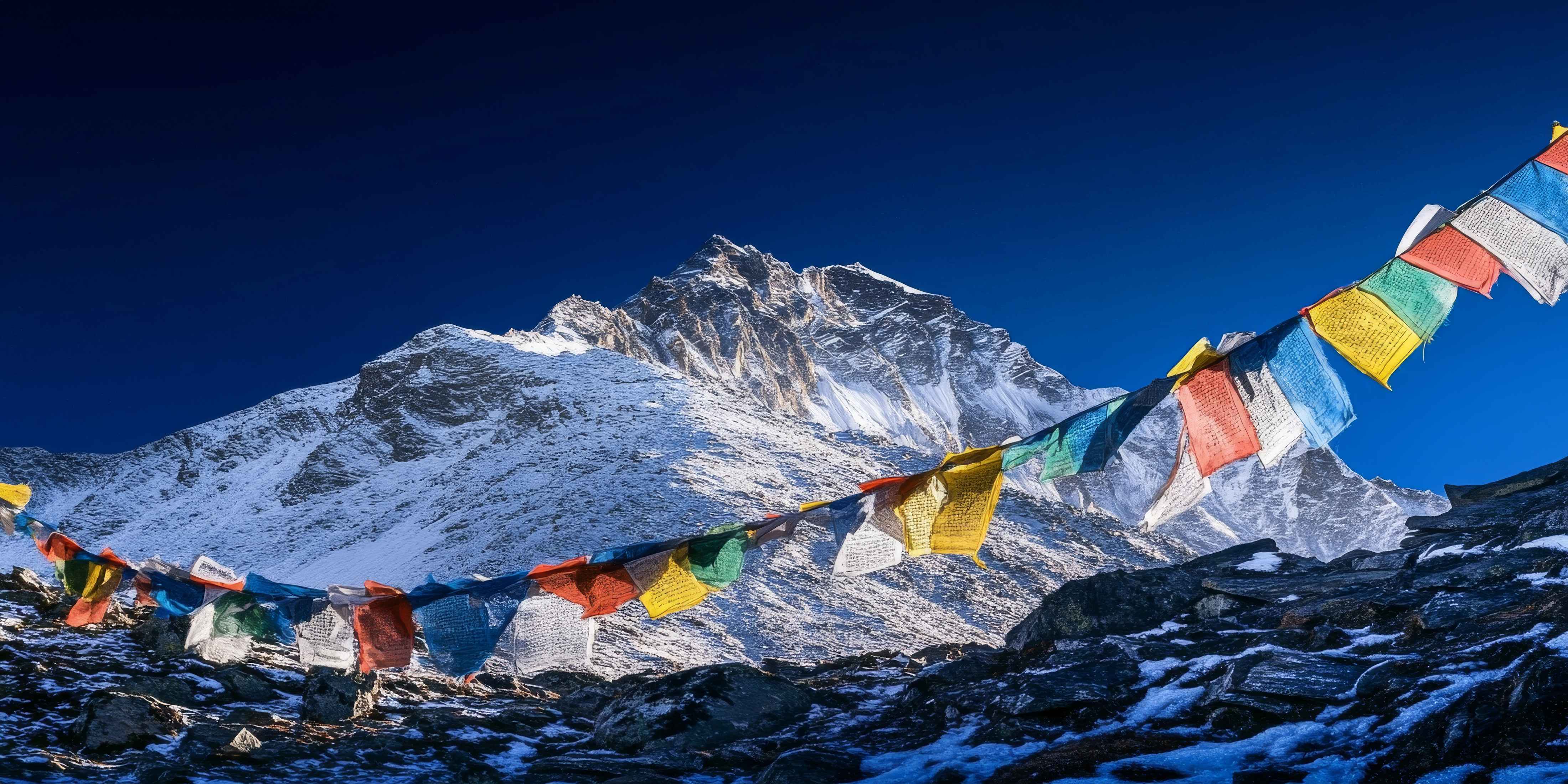
Everest Base Camp Trek 14 Days
Destination
Everest Solukhumbu Region
Adventure Type
Trekking Adventures
Difficulty Level
hard
Duration
14 Days
Trip Region
Everest Region
Highest Altitude
5545m
Group Size
1-20+
Season
Spring
Everest Base Camp Trek 14 Days
The Everest Base Camp Trek – 14 Days is one of the world’s most iconic trekking adventures, taking you deep into the heart of the Khumbu region and to the foot of the highest mountain on Earth, Mount Everest (8,848.86 m). This classic Himalayan journey is a perfect blend of breathtaking mountain scenery, rich Sherpa culture, ancient monasteries, and an unforgettable sense of achievement.
Overview
The Everest Base Camp Trek is one of the most inspiring adventures in the Himalayas. It starts with a flight to Lukla from Ramechap and the excitement of stepping into brisk mountain air. Trekkers follow pathways along rivers and on suspension bridges. Sherpa villages welcome you with fluttering prayer flags, stone houses, mant walls, and warm smiles. The trail is very much alive, with a sense of the pristine nature of the mountains as well as the rich Sherpa culture.
Namche Bazaar is elevated like a colourful amphitheatre and filled with shops, tea houses, and markets of Sherpas. Trekkers walk through narrow lanes, sip their tea, and watch the peaks of Everest, Lhotse, and Ama Dablam rise out from the ridge below. Acclimatisation hikes here both restore body and soul and put trekkers in the flow of high altitude living.
The climb to Tengboche is revealing a calm and centered by the famous monastery, with the chanting of the monks and the spinning of the prayer wheels in the mountain breeze. Surrounded by pines and rhododendron forests, the views are wide open to Everest and Ama Dablam.
Further up, Dingboche spreads out in a wide valley. Its stone walls and fields of potatoes demonstrate the way that Sherpa families live at altitude. The village is a source of quiet strength; acclimatisation hikes to the surrounding ridges give vistas of the Makalu and Island Peak. Above Dingboche, the landscape becomes stark and dramatic. Glaciers and memorials lead trekkers to Lobuche and Gorakshep, where silence and snow are the only dominant things. At Everest Base Camp (5,364 m), the Khumbu Icefall shines with blue ice, and the great peaks appear to be almost close to the sky.
The most powerful moment on the trek is climbing Kala Patthar (5,545m) at dawn. As the sun rises, Everest is covered in gold with Nuptse and Pumori standing strong beside the sunrise. Trekkers watch in awe, feeling small and yet strong in the presence of the Himalayas. Descending through Pangboche and Namche back to the road, prayer wheels spin, flags flutter, and tea houses are a very friendly welcome. The trek comes to an end in Kathmandu with trekkers having everlasting memories of mountains, people, and the life or spirit of the Himalayas.
Trip Highlights
- Flying to Lukla (2,840m) and hiking towards Phakding (2,610m), the trekkers pass through pine forests and riverside trails. They feel the coldness of the mountain air and listen to the rhythm of the river.
- Trekking ahead to Namche Bazaar (3,440m), suspension bridges lead higher, and the first clear glimpses of Everest appear, giving energy and excitement for the climb.
- While acclimatising in Namche, a hike to the Everest View Hotel (3,880m) connects trekkers with panoramic sights of Everest, Lhotse, and Ama Dablam, making the altitude gain rewarding.
- Passing through rhododendron forests, the trail opens to Tengboche (3,860m), where the famous monastery and chanting monks create a calm atmosphere against the backdrop of towering peaks.
- Trekking to Dingboche (4,410m), wide valleys spread out, offering beautiful views of Ama Dablam and showing how Sherpa families live at altitude.
- Acclimating in Dingboche, hikes to ridges up to 4,800m help the body adjust, while expansive landscapes of Makalu and Island Peak inspire trekkers to continue higher.
- While acclimatising in Dingboche, we hike ridges up to 4,800m. The magnificent views of Makalu and Island Peak are an inspiration to hike higher.
- We are guided by glacial moraines on our way to Lobuche (4,940 m). Striking views of Nuptse and Pumori add drama to the stark terrain.
- From Gorak Shep (5,164m) we trek to Everest Base Camp (5,364m). Standing next to the Khumbu Icefall and being frozen by giants of snow and ice all around.
- Climbing Kala Patthar (5,545m) at sunrise, we look at Everest glowing golden. Then we descend through Pangboche and return to Namche to be once again caught up in Sherpa culture and warmth.
Itinerary
Package Cost Details
Included In Package
- Private airports arrange pick-up and drop-off in a comfortable vehicle for hassle-free transfers.
- Accommodation in Kathmandu hotels (twin-sharing) and luxury lodges/teahouses on the way of trekking.
- Full board meals (breakfast, lunch, dinner) during the trek, tea/coffee, and seasonal fruits.
- English-speaking knowledgeable trekking guide who knows a lot about Sherpa culture and Himalayan landscapes.
- Porter service (one porter to two trekkers) to carry the luggage safely.
- Salaries, equipment, and insurance (guides, porters).
- Emergency assistance coordination (rescue costs are personal travel insurance).
- A first-aid kit is carried by the guide for safety.
- Trek completion certificate for celebrating your achievement.
- Required Permits: Sagarmatha National Park Entry & Khumbu Rural Municipality Permit.
- Printed trekking route map to easily navigate the route.
- All relevant taxes on government and official service charges
Excluded In Package
- Travel insurance (required by high altitude trekking and emergency evacuation).
- Personal expenses, including hot showers, device charging, and Wi-Fi in teahouses.
- Beverages: Tea, coffee, bottled water, soft drinks, and alcoholic drinks other than those included in meals
- Personal trekking gear (boots, jackets, poles, sleeping bags, etc.).
- Tips for guides and porters.
- Expenses related to unexpected events (natural disaster, weather, political situation, flight delay, etc.).
- Additional hotel accommodation and meals in Kathmandu before or after the trek (out of package itinerary)
Trip Info
Everest Base Camp trek 14 Days – Itinerary Overview
The Everest Base Camp Trek, it takes 14 days of adventure, a mix of culture, scenery, and challenge. Starting from Kathmandu, trekkers drive to Ramechhap and then fly to Lukla at 2,840m. The first path, to Phakding (2,610 m) is easy, with riverside trails and pine forests. From here, the trail makes a steady climb to Namche Bazaar (3,440 m) the capital of the Sherpa. An acclimatisation day involves a hike to the Everest View Hotel (altitude 3,880 metres), from where one will enjoy panoramic views of Everest, Lhotse, and Ama Dablam.
The trek goes further up to Tengboche (3,860 m) where the famous monastery is adding a spiritual calm and the forest is opening up to wide Himalayan views. Dingboche (4,410 m) is in a wide valley, a second acclimatisation day is available to take short hikes to surrounding ridges up to 4,800 m. These climbs build strength in the lungs and legs as well as give expansive views of Makalu and Island Peak. The slower pace is helpful in acclimating trekkers to the high altitude as well as pondering the beauty of the landscape.
Beyond Dingboche, the trail ascends to Lobuche (4,910 m), where glacial moraines and memorials indicate the way. From Gorakshep (5,164 meters), a hike to Everest Base Camp (5,364 meters) is the highlight of the emotion of life, standing beside Khumbu Icefall at the foot of the world's highest peak. A sunrise ascent to Kala Patthar (5,545m) pays the trekker with Everest glowing golden, falling down through Pangboche and Namche. Comfortable lodges, Sherpa hospitality and warm meals accompany the return to Lukla and the trek passes away with the memories of mountains, culture and achievement.
Everest Base Camp Trek 14 days altitude and distance coverage
|
Day |
Route |
Distance |
Duration |
Altitude Gain/Loss |
Sleep Altitude |
|
1 |
Arrival in Kathmandu, transfer to the hotel |
– |
– |
– |
1,400 m |
|
2 |
Drive Kathmandu → Ramechhap, flight to Lukla (2,840 m), trek to Phakding |
~8 km |
3–4 hrs |
–230 m |
2,610 m |
|
3 |
Trek Phakding → Namche Bazaar |
~10–11 km |
6–7 hrs |
+830 m |
3,440 m |
|
4 |
Acclimatization in Namche, hike to Everest View Hotel (3,880 m) and return |
~3–4 km |
3–4 hrs |
+440 m / –440 m |
3,440 m |
|
5 |
Trek Namche Bazaar → Tengboche |
~9 km |
5–6 hrs |
+420 m |
3,860 m |
|
6 |
Trek Tengboche → Dingboche |
~10 km |
5–6 hrs |
+550 m |
4,410 m |
|
7 |
Acclimatization in Dingboche, short ridge hike, and return |
~4–5 km |
3–4 hrs |
+400 m / –400 m |
4,410 m |
|
8 |
Trek Dingboche → Lobuche |
~8 km |
5–6 hrs |
+500 m |
4,910 m |
|
9 |
Trek Lobuche → Gorakshep (5,164 m), hike to Everest Base Camp (5,364 m) and return |
~12 km (round trip) |
7–8 hrs |
+424 m / –200 m |
5,164 m |
|
10 |
Early hike Gorakshep → Kala Patthar (5,545 m), trek down to Pangboche (3,985 m) |
~13 km |
6–7 hrs |
+381 m / –1,560 m |
3,985 m |
|
11 |
Trek Pangboche → Namche Bazaar |
~10 km |
5–6 hrs |
–545 m |
3,440 m |
|
12 |
Trek Namche Bazaar → Lukla |
~16 km |
6–7 hrs |
–600 m |
2,840 m |
|
13 |
Flight Lukla → Ramechhap, drive to Kathmandu |
– |
– |
– |
1,400 m |
|
14 |
Departure or onward activities |
– |
– |
– |
– |
Permits and Expenses for EBC Trek Guide Everest Base Camp– 14 Days
In order to complete the Everest Base Camp Trek successfully, trekkers need to obtain two permits, viz., Sagarmatha National Park Entry Permit and Khumbu Pasang Lhamu Rural Municipality Permit. These fees help with conservation, safety, and development of the local community to ensure sustainable trekking activities in the Everest region.
Sagarmatha National Park Entry Permit
Access to the Everest region requires the Sagarmatha National Park permit. The fee support.s To access the Everest region, one needs to obtain the Sagarmatha National Park permit. The fee supports the protection of forests, glaciers, wildlife, and trail systems of this World Heritage site. Permits can be bought from the Nepal Tourism Board officeint Kathmandu or at the park check post at Monjo.
- Foreigners: NPR 3,000 a person (approx. USD 23)
- SAARC nationals: NPR 1500 p.p.
- Nepali citizens: NPR 100/ person
- Children under 10: Free
Khumbu Pasang Lhamu Rural Municipality Permit
This local permit has replaced the old requirement of a TIMS card and is given either in Lukla or Monjo before crossing the main trekking routes. The fee is used in the infrastructure, trail maintenance, and development projects in the Khumbu region.
- Foreigners: NPR 2000 pax (approx. USD 15)
- SAARC nationals Same rate as foreigners
- Children under 10: Free
Summary
For the Everest Base Camp Trek (14 Days) Travellers require:
- Sagarmatha National Park Entry Permit NPR 3,000 (Foreigners), NPR 1,500 (SAARC Countries).
- Khumbu Pasang Lhamu Rural Municipality Permit (NPR 2,000 of foreigner and SAARC nations).
- No TIMS card required.
These permits are the key to the trek. They help to conserve natural resources and maintain trails,s and also aid the local communities in the Everest region.
Trip Cost of the 14-Day Everest Base Camp Trek Package 2026/2027
|
Group Size |
Price Per Person (USD) |
|
10 persons | |
|
10 – 20 persons | |
|
21+ persons | |
|
Single Supplement |
Notes:
- Prices are calculated on a per-person basis.
- Prices are based on a per person basis.
- For a group of 10 trekkers, the charge is fixed at a per-capita rate.
- For larger groups with 21 or more people, a discounted rate is available per person.
- An additional surcharge is applicable for private accommodation if a single room supplement is requested.
- The package offers trekking services, permits, meals, and accommodation as mentioned in inclusions to make it a safe and rewarding journey to Everest Base Camp.
Best season to Trek EBC Trek Guide Everest Base Camp
The Everest Base Camp Trek is best done in Spring (March to May) and Autumn (September to November). These seasons have stable weather, less foggy skies, and safer trails. The Summer Monsoon (June-August) and Winter (December-February) are not as good with heavy rains, slippery paths, or snowbound high camps.
Spring (March to May) | Prime Season for Trekking
Spring is regarded as one of the best seasons to undertake the Everest Base Camp Trek. Lower valleys are blooming with rhododendron,s and higher places are having nice temperatures and clear skies. If it is March, there would be light snow at higher altitudes, es but April and May are the months of warmer days with good visibility of Everest, Lhotse, and Ama Dablam. Longer hours of the day and stable weather conditions make trekking enjoyable and safe.
|
Month |
Day Temp (°C) |
Night Temp (°C) |
Precipitation |
Weather Description |
Snowfall |
|
March |
0 to 10 |
-5 to -12 |
50–70 mm |
Cold mornings, clear skies |
Light at higher camps |
|
April |
5 to 12 |
-2 to -8 |
70–90 mm |
Mild air, blooming valleys |
Rare |
|
May |
8 to 15 |
0 to -5 |
90–100 mm |
Warm days, stable trekking |
Minimal |
Autumn (September to November) | Best for Visibility and Stable Conditions
Autumn is another good trekking season. The month of September might start with some rain, but trails are dry fairly quickly, and the skies are clear. October brings crisp air, calm weather, and stable conditions,s and November nights are cold, er but the visibility is par excellence and gives breathtaking views of the Himalayas.
|
Month |
Day Temp (°C) |
Night Temp (°C) |
Precipitation |
Weather Description |
Snowfall |
|
September |
8 to 12 |
-2 to -8 |
120–150 mm |
Clear skies, occasional rain |
Light at altitude |
|
October |
5 to 12 |
-5 to -10 |
70–90 mm |
Crisp air, stable weather |
Rare |
|
November |
0 to 8 |
-8 to -15 |
40–60 mm |
Cold nights, superb views |
Begins at base camp |
Less Favorable Seasons
- Summer Monsoon (June-August): There is heavy rainfall, trail conditions are muddy, there are landslides, and poor visibilifor trekkingrek.
- Winter (December-February): Freezing temperatures with the trails being snowbound and the paths being covered with ice make trekking difficult and risky.
Packing List for EBC Trek Guide Everest Base Camp Trek – 14 Days
The Everest Base Camp Trek needs careful preparation in order to be comfortable, safe, and enjoyable in a variety of altitudes and climates. Unlike peak climbing expeditions, this trek emphasises trekking gear and essentials that are suitable for high altitude trekking trails, teahouse stays, and cultural immersion activities.
General Essentials
- Expedition-rated sleeping bag (-15 C, very important for the nights of Gorakshep and Lobuche)
- Warm down jacket (for extreme cold above 4,500m)
- Daypack 30-40L with rain cover
- Trekking poles (helpful in case of a steep ascent and descent)
- Water purification tablets/filter (for streams/ lodge taps)
- Headlamp with spare batteries (Essential for Early Morning Kala Patthar hike)
Upper Body
- Sun hat or cap (protection against the sun at altitude)
- Warm beanie or wool hat
- Sunglasses (category 3-4, compulsory for the snow blindness at higher camps)
- Buff/Neck Gaiter (for protection from the wind, dust,t and cold)
Torso Layers
- Thermal base layers (moisture wicking Cold nights)
- 2 short-sleeved trekking shirts
- 2 long-sleeve trekking shirts
- Fleece jacket/pullover
- Shell Jacket (Windproof if you will be on a high pass and climbing Kala Patthar in the morning) (waterproof)
- Insulated mid-layer jacket (very important for nights above 5,000m)
Lower Body
- Thermal leggings/base layer
- Trekking pants X2 (quick-dry fabric)
- Hiking shorts (for days in the lower valley, Phakding and Namche)
- Cotton comfortable lodge pants for evenings
- Waterproof shell pants (unthinkable if in the snow or rain at higher altitudes)
- Quick-dry underwear
- Sports bras (for women)
- Thermal sleepwear (this is a must for nights at Base Camp and Gorakshep)
Hands
- Liner gloves
- Insulated waterproof gloves (for cold mornings and high passes)
Feet
- Warm wool socks (4–5 pairs)
- Trekking socks and liners
- Sturdy trekking boots (broken‑in, ankle support, waterproof)
- Gaiters (for snow or muddy trails)
- Casual shoes/slippers (for teahouse evenings)
Undergarments & Sleepwear
- Quick‑dry underwear
- Sports bras (for women)
- Thermal sleepwear (essential for nights at Base Camp and Gorakshep)
Medicals & Personal Care
- First aid kit, altitude medication, pain relievers
- Oral rehydration salts (for hydration at altitude)
- Sunscreen SPF 50+, lip balm SPF (UV is intense above 4,000 m)
- Menstrual products (for women)
- Hand sanitizer, wet wipes, toiletries
- Personal prescribed medications
Electronics
- Power bank (10,000–20,000 mAh, charging is costly at altitude)
- Solar charger (useful at higher lodges)
- Camera/smartphone with extra memory cards
- Adapter plug (Nepal standard: Type C/D/M)
Miscellaneous
- Trekking duffel bag (carried by porters)
- Lightweight towel
- Notebook and pen
- Snacks: energy bars, nuts, chocolates (extra calories for long trekking days)
- Reusable water bottle/hydration bladder (2–3L capacity)
- Small lock (for duffel bag security)
- Lightweight book/Kindle
Equipment and Extras Provided by the Company
- Down jacket (on loan for times while trekking)
- Four-season sleeping bag (loaned, suitable for sleeping at high altitude at night)
- Trekking duffel bag (70L, carried by the porters)
- Everest base camp trekking route map
- Trekking T-shirt (Souvenirs Gift)
- Trek completion certificate upon successful completion of the trek
- First aid kit including an oximeter for Altitude monitoring and safety checks
- Basic medical assistance on the trek
Can You Do the Everest Base Camp Trek Solo?
Solo trekking to Everest Base Camp is not legally permitted for international travelers. Nepal requires that all trekkers hire licensed guides through registered trekking agencies since 2023. This law ensures safety, reduces the risks of altitude, and supports local communities. Permits cannot be issued,d and checkpoints cannot allow entry without a guide.
The Everest Base Camp trek is 5,364 meters at Base Camp and 5,545 meters at Kala Patthar. These sections require a level of careful acclimatisation, stamina, and knowledge of altitude sickness. Trails are often steep, the weather is changeable, and emergencies are hard to handle alone. Guides and porters take care of logistics and ensure an immediate reaction if something goes wrong with your health or altitude,e which makes the journey safer and more reliable.
For this reason, the 14-day Everest Base Camp trek is only offered as a guided adventure. Travelling with guides provides secure passage and adds to the experience by giving insight into the Sherpa traditions, monasteries,ies, and life. Being a part of a group provides encouragement and group motivation, which helps trekkers face the challenges and make the journey a memorable Himalayan experience rather than a risky solo attempt.
Meals and Accommodation on the Everest Base Camp Trek – 14 Days
In Kathmandu
Meals and accommodation during the Everest Base Camp trek are simple, warm, and based on the trek itself. In Kathmandu, you stay in comfortable hotels with modern rooms and taste both Nepali and international food before making your way into the mountains. Facilities include private bathrooms, hot showers, and Wi-Fi, which provide a refreshing start prior to the climb. Breakfast is served every day, and meals vary from Nepali dal bhat to international food, which gives the trekkers the option to enjoy the local flavors and familiar comfort food.
Along the Trek
On the trail, you spend the night at tea houses and lodges in the villages of Phakding, Namche, Tengboche, Dingboche, Lobuche, Gorak, Pangboche, and Lukla. Rooms are basic but clean with usually twin beds and shared bathrooms. Dining halls are cosy with wood stoves, and evenings are taken up with fellow trekkers telling stories.
Atmosphere
Each of the stops along the trek comes with its own mood. Namche Bazaar is lively with businesses and bakeries, Tengboche is spiritual with its monastery and chanting monks, Dingboche is peaceful with wide valleys, and Gorakshep is adventurous because of its closeness to Everest Base Camp. Evenings are spent in dining halls, where trekkers recount their stories and partake in Sherpa hospitality, making the journey seem connected and memorable.
Meals
- Full board meals are included along the way - breakfast, lunch, and dinner every day.
- Breakfast Porridge, Tibetan bread, eggs, pancakes, toast with jam or honey, tea or coffee
- Lunch: dal bhat, noodles, soup, fried rice, pasta, and Sherpa dishes.
- Dinner: Sherpa stew, thukpa, momos, curried potato, good old-fashioned international comfort food.
- Meals are freshly cooked using organic vegetables from local farms. Tea and coffee are served multiple times a day,y and boiled or purified water is provided to keep the trekkers hydrated.
Health & Nutrition
Meals are tailored to the needs of trekking at altitude, with carbohydrates providing energy, soups providing hydration, and warm food providing strength. Fresh vegetables and fruit provide vitamins, and hot drinks help the body acclimate to the cold mountain air. Guides encourage trekkers to eat well and drink plenty of fluids to be comfortable and safe during the acclimatization process.
Notes
Food on the trek is a combination of Nepalese, Sherpa, Tibetan, and simple international food. Breakfasts are hearty and filling, and tea houses offer safe accommodation with communal toilets and warm dining halls. This set-up ensures healthy meals, real hospitality, and a safe place to sleep for the trekkers, all in the breathtaking ambiance of Everest, Lhotse, Ama Dablam, and the peaks all around.
Visa and Entry Requirements for EBC Trek Guide Everest Base CampTrek | 14 Days
Nepal Entry Visa
Foreign visitors who travel to the Everest Base Camp Trek must have a valid Nepal entry visa. This can be arranged either on arrival at Tribhuvan International Airport, Kathmandu, or in advance from a Nepali embassy abroad. Passports need to be valid for six months or more, and a passport-sized photo is required.
- 15‑day multiple‑entry visa: USD 30
- 30‑day multiple‑entry visa: USD 50
- 90‑day multiple‑entry visa: USD 125
Apart from the entry visa, trekkers have to obtain region-specific permits for the Everest region:
Trekking Permits
In addition to the entry visa, trekkers must secure permits specific to the Everest region:
- Sagarmatha National Park Entry Permit- It is compulsory to have a permit for entering the world heritage site. The fee provides support for conservation of forests, glaciers, wildlife,e and trail systems.
- Khumbu Pasang Lhamu Rural Municipality Permit-this local permit has replaced the old TIMS card. It guarantees direct remuneration to Sherpa communities, maintenance of trails and infrastructures in villages on the route.
Local Municipality Fees
Khunbu Pasang Lhamu Rural Municipality Permit is checked at Lukla, Monj, and Namche. This system ensures that trekkerhaveng a direct impact on the local communities in terms of maintaining trails, bridges, and development projects all over the Everest region.
Provided by Trekking Company
All the required permits are arranged by the trekking agency and are included in the trek package cost. This organization takes the burden of paperwork and ensuresit compliesy with Nepal's regulations. Trekkers can then concentrate on acclimatizing their bodies, their health, and the cultural experience of the Khumbu, knowing that their journey is benefitting the both conservation and livelihoods.
Travel Insurance Requirements and Emergency Rescue Coverage for the EBC Trek Guide Everest Base CampTrek | 14 Days
Travel Insurance
Travel insurance is a must for the Everest Base Camp Trek. Every trekker needs to carry a valid policy that covers high altitude trekking up to at least 6,000 meters because the trek takes you to a height of 5,545 meters at Kala Patthar and poses the danger of altitude sickness, injuries, and sudden weather changes. Without valid insurance, participation is not allowed.
A good insurance policy should include:
- A good insurance policy should cover the following:
- High altitude trekking coverage (up to 6,000m).
- Helicopter rescue & emergency evacuation via helicopter to Base Camp from remote villages.
- Medical treatment and hospitalization overseas or in Kathmandu.
- Trip cancellations, delays, and repatriation for unforeseen events.
Emergency Rescue Operations
Emergency rescue operations are typically organized from Kathmandu or Lukla. In case of an emergency,y helicopters can reach villages like Namche, Dingboche, Lobuche, or Gorakshep to evacuate the trekkers toa lower altitude or hospitals in Kathmandu. Guides and agencies take care of logistics, insurance agencies, and rapid medical support.
Trek Considerations
The Everest Base Camp trek is a more challenging trek than other moderate treks, such as Pikey Peak, as the altitude is higher and you will be exposed to cold weather for longer periods of time. Insurance gives peace of mind, knowing that medical and evacuation costs (which can be very high) are covered.
Possible Problems to Consider
- Problems that can be considered:
- Weather delays: Fog, snow, or high winds can cause delays to helicopter flights.
- Altitude and health: Scheduling to descend quickly by helicopter can be physically challenging.
- Availability: The demand for helicopters is high in the trekking season,n so the schedule may change.
- Insurance coverage: The policy should specifically cover helicopter evacuation, as the costs are high.
Note
The guides and trekking agencies take care of most of the rescue logistics, but it is important for the trekkers to be flexible and ready for the changes. With the right insurance and support, the Everest Base Camp Trek is a safe and rewarding adventure with the Himalayan hospitality, cultural immersion and Everest, Lhotse, AmaDablam and the peaks.
Why Insurance Matters on the Everest Base Camp Trek
The Everest Base Camp Trek is one of the most iconic treks in the Himalaya, but it is also an extreme trek at 5,364m at Base Camp and 5,545m at Kala Patthar. Even though the lodges are friendly and trails are well established, there is no way to ignore the dangers of altitude sickness, sudden weather changes,ges or injuries. Medical facilities in the villages are very basic, and evacuation from higher points is only possible by helicopter, which makes preparation essential.
Insurance is the protection that makes trekkers comfortable walking. The costs of helicopter rescues, hospital treatment in Kathmandu, and unexpected delays due to the weather can be very expensive. A good insurance policy will cover thes, risk,s and therefore trekkers can concentrate on the adventure itself - walking among Sherpa villages, visiting Tengboche Mon,astery and standing at Base Camp with the Khumbu Icefall towering ahead.
With the right insurance, trekkers can experience the pleasure of climbing to Kala Patthar at dawn and watching Everest glow in the golde,n light knowing they are safe and supported by the team of professional guides and rescue teams if needed. Insurance is not just a requirement; it is the invisible support that makes the Everest Base Camp Trek safe and unforgettable.
Altitude Sickness and Prevention for the EBC Trek Guide: Everest Base CampTrek
Altitude sickness is one of the biggest challenges in the Everest Base Camp Trek. The trail goes to an elevation of 5,364 meters at Base Camp and higher at 5,545 meters on Kala Patthar, where the air is thin, and oxygen levels are low. Rapid altitude gain can cause Acute Mountain Sickness AMS), S) and while the trek is not technical in any way, the risks are real and have to be carefully managed.
Professional guides are an important part of ensuring trekker safety. They carry medical kits and oximeters to monitor the oxygen levels and advise the trekkers to walk slowly, stay hydrated, eat balanced mealss and rest well. These simple steps help the body to adapt to the altitude and minimize the chances of AMS:
The best prevention is slow acclimatization. The itinerary is planned takingovernightss stay in villages like Namche Bazaar, Dingboche, and Lobuche before reaching Base Camp. This step-by-step approach enables the body to adjust naturally. If any of the symptoms mentioned occur, such as headache, nausea, dizziness, or fatigue, and they get worse, the best thing to do is to go down immediately.
In serious cases, helicopter evacuation is coordinated from Gorakshep, Lukla, and Kathmandu. Travel insurance covering trekking up to 6,000 m and including helicopter rescue is compulsory because the costs of evacuation and medical services are very high.
With correct acclimatisation, guidance of experienced Sherpa teams and an awareness of the dangers of altitude, trekkers can enjoy the lodges and warm hospitality, and the unforgettable sight of Everest in the glow of a sunrise, in safety. Insurance, preparation, and caution, when taken together, make the Everest Base Camp Trek not only doable but also a safe and memorable Himalayan adventure.
Personal Expenses to Budget For on the EBC Trek Guide Everest Base CampTrek – 14 Days
On the Everest Base Camp Trek, the package includes meals, lodging, and permits, but the trekkers are advised to set aside some money for personal expenses. On the way, popular treats include chocolate, nuts, and energy bars. In villages such as Namche Bazaar, you can also enjoy tea, coffee, soft dri,nks and local beer. Lodges provide full meals, and additional beverages and foods are bought separately, which adds comfort and variety.
Accommodation Extras
Tea houses and lodges have basic rooms with twin beds and communal baths. Some of the villages, notably Namche Bazaar, provide facilities for hot showers, Wi-Fi, and charging stations, but prices increase at higher altitudes. In Dingboche, Lobuche, and Gorakshep, there are limited amenities, and the cost of additional services is higher than in lower villages such as Phakding.
Souvenirs & Donations
Souvenir shopping is also an expense. Namche Bazaar has shops for buying prayer flags, handicrafts, and trekking gear. Donations to monasteries such as Tengboche and Pangboche are encouraged, which adds to a cultural experience.
Tips & Cash
It is customary to tip guides and porters, and the tips should be factored into your budget. Carry small notes of rupees of Nepal as ATMs are only available at Kathmandu and Namche Bazaar, and not in the upper villages.
Transport & Delays
Flights between Kathmandu (or Ramechhap) and Lukla are included in the package. However, weather-related delays are a common occurrence, and any food or lodging required during unexpected waits is your responsibility.
Summary
By making provisions for snacks, drinks, lodge extras, souvenirs, donations, and tips, trekkers havesmootheroth and more satisfying trek. Proper budgeting allows you to devote yourself to the adventure - walking among Sherpa villages, experiencing the life of a monastery, standing in Everest Base Camp looking at the Khumbu Icefall - without worries about finances.
Why Trek the Everest Base Camp?
The Everest Base Camp Trek is the most amazing Himalayan adventure for people who have dreams of standing at the foot of the world's highest peak. You will get breathtaking views of Everest, Lhotse, Ama Dablam, and Nuptse while staying in warm lodges and receiving true Sherpa hospitality, which makes the Khumbu region unique.
Ou14-dayay itinerary strikes the right balance between safety and acclimatisation. Licensed guides lead and share the culture, monasteries, and traditions of the Sherpa, all while keeping the pace comfortable at altitude. The package includes permits, lodging, meals, guides, and porters so that you can simply enjoy the trip without the worry of logistics.
Evenings are spent in the cozy dining halls with woodstoves in an atmosphere of fellow trekkers and friendly hosts. In Namche Bazaar, you can take a walk to explore shops and bakeries, and Tengboche will give you the spiritual calm of the famous monastery. At Gorakshep, you rest before hiking to Base Camp and Kala Patthar, where you have one of the most unforgettable panoramas of the Himalayas at sunrise.
We are renowned for professionalism as well as our care. Guides and porters help to handle the logistics of the trek so that it can be a smooth, safe, and rewarding one. Choosing Everest Guide Trek Agency is not just about getting to Base Camp, it is about livingin the Himalayas with culture, comfort, and scenery that you will always remember.