
Pikey Peak Lower Everest Trek: 9 Days
Destination
Everest Solukhumbu Region
Adventure Type
Trekking Adventures
Difficulty Level
low
Duration
9 Days
Trip Region
Everest Region
Highest Altitude
4065m
Group Size
1-20+
Season
Autumn & Spring
Pikey Peak Lower Everest Trek: 9 Days
Overview
The Pikey Peak Trek is a short trek in Lower Everest. It has peaceful trails and expansive horizons. Guests begin in Kathmandu, and ride in a private jeep to Dhap, and walk through the Jhapre village. Calm paths, forests, ridges, and monasteries create a mix of adventure and culture.
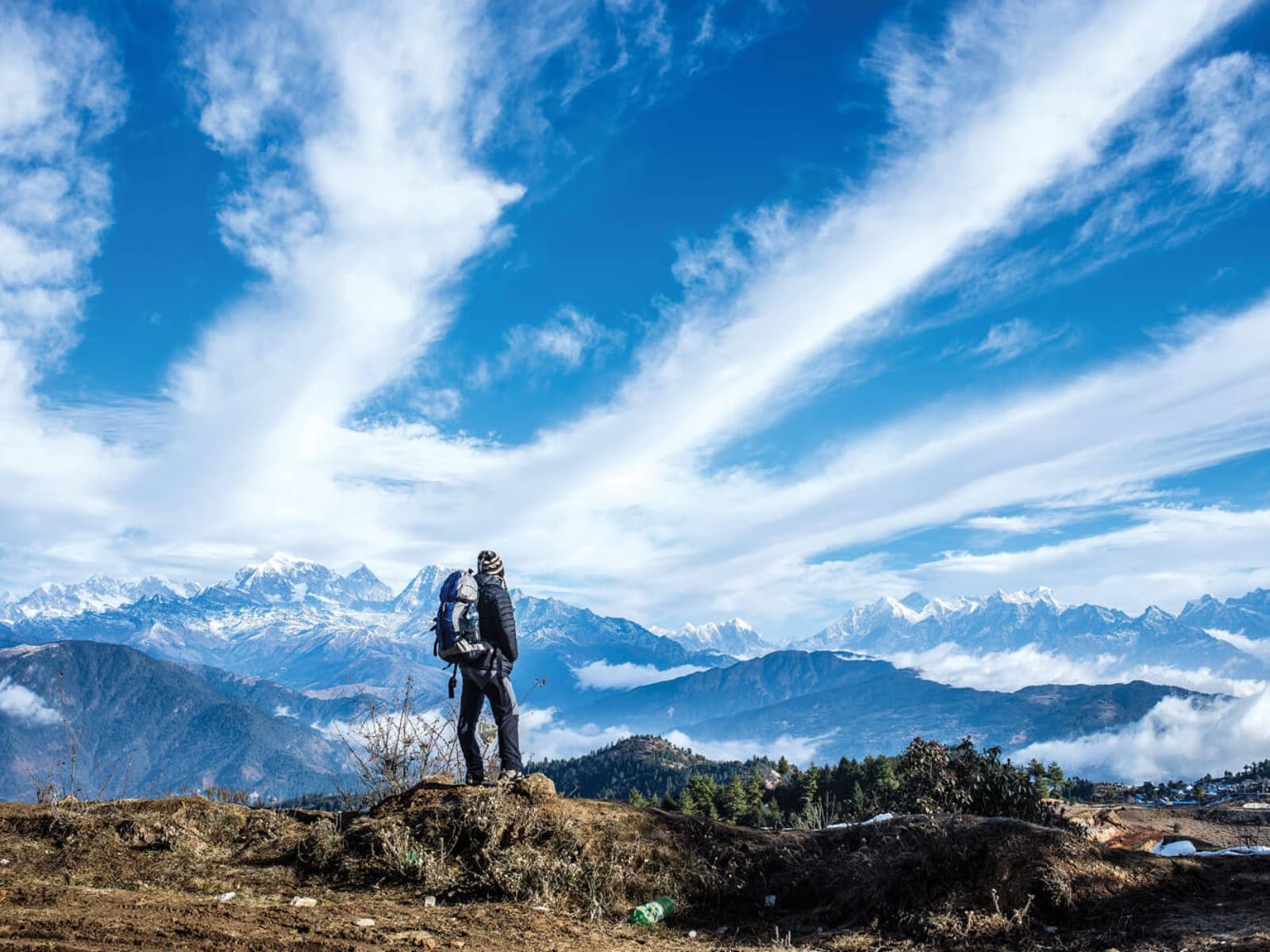
The highlight of the trek is Pikey Peak, 4,065 m high. A sunrise at the summit makes Everest, Makalu, Kanchenjunga, and more visible. The view is immense and mesmerizing - combining the majesty of the Himalayas with the tranquility of Sherpa villages. Nights are spent in local lodges, which are warm with simple comfort.
The descent passes Lamjura Danda and Junbesi, two of the most beautiful Sherpa villages. Guests enjoy authentic culture, monasteries, and traditional meals. The trails are moderate with time to rest and explore. The trek terminates at Phaplu, and the jeep ride back to Kathmandu.
The last night was spent in a hotel in Kathmandu before departure. This 9-day package combines adventure in the sunrise, Sherpa culture, and relaxing landscapes - the perfect package for those looking for Everest views without the long and busy trails.
Trip Highlights
- Starting from Kathmandu, we get ready for the trek by enjoying the city's culture and comfort.
- Driving to Dhap, we pass through hills and rivers and see the terraced fields and scattered villages along the road.
- On foot to Jhapre, we have a view of Everest and Numbur Himal from the ridge and visit small monasteries adorned with prayer flags.
- Trekking to Pikey Base Camp, we pass through the forests and meadows, watching the yaks grazing on the slopes.
- Ascending to the summit of Pikey Peak (4,065 metres), we spot Everest, Makalu, Kanchenjunga, Annapurna, Gauri Shankar, and Numbur Himal at sunrise.
- Going downwards through Lamjura Danda, we reach the rhododendron forest and admire the colorful spring blossoms.
- In Junbesi village, we meet Sherpa families, visit monasteries, and we see traditional homes and schools.
- Walking to Phaplu, we pass through peaceful valleys and pine forests on a quiet walk, and the hospitality of the locals.
- We get back to Kathmandu, pass farmland and hills, and conclude the trek with the comforts of the city.
Itinerary
Package Cost Details
Included In Package
- Private airport transfer service in vehicles for comfortable arrival and departure.
- Accommodation during the trek in standard lodges, comfortable hotels in Kathmandu (twin sharing basis).
- Full board meals (breakfast, lunch, dinner) all through the trek, including tea/ coffee and simple local dishes.
- English-speaking trekking guide with professional, friendly, and personalized support.
- Porter service (one porter between two trekkers).
- Salaries, equipment, and insurance coverage of guides and porters.
- Emergency rescue services (cost of rescue covered on trekker's travel insurance).
- A basic first aid kit is carried by the guide for safety and support against altitude issues.
- Trek pass completion certificate (to celebrate & celebrate your Pikey Peak achievement)
- Permits Required: Gaurishankar Conservation Area Permit and Local Entry Permit.
- Printed Trekking Route map to navigate and getan overview of the trip.
- Private jeep transportation: Kathmandu - Dhap (start) Phaplu - Kathmandu (return)
- All government taxes and official charges are applicable.
Excluded In Package
- For high altitude trekking and emergency rescue, travel insurance is highly recommended.
- Personal expenses on trek, including hot showers, charging devices, and Wi-Fi in lodges, are not included.
- No beverages of any kind (tea, coffee, mineral water, soft drinks, alcoholic drinks, etc.) are included in the package.
- Personal trekking equipment and gear, like boots, jackets, poles, and sleeping bags, must be brought by the traveler.
- Tips for guides and porters are customary but are not included in the package fee.
- Expenses incurred because of unexpected events are not covered, including: natural disasters; extreme weather; political instability; delaying by roads.
- Kathmandu hotel and food costs before and after trek and sightseeing or tours in Kathmandu, other than those mentioned in the itinerary, are not covered.
Trip Info
Pikey Peak Trek: 9 Days Itinerary Overview
The Pikey Peak Trek is a 9-day trek in the Lower Everest region that is a blend of adventure, culture, and peaceful landscapes. Starting from Kathmandu at an altitude of 1,400 m, the guests enjoy a stay in a hotel and then a private drive by jeep to Dhap (altitude of 2,850 m). The first trek to Jhapre (2,920 meters) is easy, and it serves as an introduction to forest trails, ridges, and Sherpa villages.
From Jhapre, the trail goes up to Pikey Peak Base Camp at 3,640 m. The highlight comes next with a sunrise ascent to Pikey Peak at 4,065m, which is the highest point of the trek. The panorama extends from Everest and Makalu to Kanchenjunga, and is one of the widest views of the Himalayas. Nights are spent in local lodges in a warm and simple way.
The descent passes Lamjura Danda at 3530 meters altitude and Junbesi at 2700 meters, a beautiful Sherpa village full of monasteries and culture. Trails are moderate, leaving time to rest and explore. The final walk is to Phaplu at 2,410 m before flying back in a jeep to Kathmandu.
The final night in a hotel in the capital before departure. This 9-day trek is perfect for those who want to catch glimpses of Everest, experience real Sherpa culture, and go on quiet trails without the crowds from other routes.
- Highest altitude: Pikey Peak at 4,065 m
- Lowest altitude: Phaplu at 2,410 m
Pikey Peak Trek distance and altitude coverage
|
Day |
Route |
Distance |
Duration |
Altitude Gain/Loss |
Sleep Altitude |
|
1 |
Arrival in Kathmandu, transfer to the hotel |
– |
– |
– |
1,400 m |
|
2 |
Drive Kathmandu → Dhap (2,850 m) by private jeep |
– |
7–8 hrs |
+1,450 m |
2,850 m |
|
3 |
Trek Dhap → Jhapre |
~10 km |
4–5 hrs |
+70 m |
2,920 m |
|
4 |
Trek Jhapre → Pikey Peak Base Camp |
~12 km |
5–6 hrs |
+720 m |
3,640 m |
|
5 |
Sunrise climb Pikey Peak (4,065 m), trek → Lamjura Danda |
~6 km |
5–6 hrs |
+425 m / –535 m |
3,530 m |
|
6 |
Trek Lamjura Danda → Junbesi |
~12 km |
5–6 hrs |
–830 m |
2,700 m |
|
7 |
Trek Junbesi → Phaplu |
~10 km |
4–5 hrs |
–290 m |
2,410 m |
|
8 |
Drive Phaplu → Kathmandu |
– |
8–9 hrs |
–1,010 m |
1,400 m |
|
9 |
Departure or onward activities |
– |
– |
– |
– |
Permits and Expenses Needed for the Pikey Peak Trek | 9 Days
To trek to Pikey Peak and explore the Lower Everest region, trekkers require two permits. These fees help in conservation, safety and development of local communities of Solukhumbu and Gaurishankar areas.
Gaurishankar Conservation Area Permit (GCAP)
The Permit for the Gaurishankar Conservation Area allows access to the area with its forests and wildlife habitat and trekking trails around Dhap and Jhapre. The fee is used to support biodiversity and trail maintenance.
- Foreigners: NPR 3,000 per person (approx. USD 23)
- SAARC nationals: NPR 1,500 per person
- Nepali citizens: NPR 100 per person
- Children under 10: Free
- Available at the Nepal Tourism Board office in Kathmandu or at the checkpoints of entry.
Local Entry Permit (Solukhumbu Rural Municipality)
The local permit contributes to the funding of infrastructure and maintenance of the trail, along with the development of communities in villages, such as Junbesi and Phaplu. It works to ensure that trekkers are making a direct contribution towards the Sherpa and Rai communities living along the route.
- Foreigners: NPR 2,000 per person (approx. USD 15)
- SAARC nationals: Same rate as foreigners.
- Children under 10: Free
- Issued at Phaplu or local checkpoints.
TIMS Card (Trekkers’ Information Management System)
A TIMS card is not mandatory for the Pikey peak trek since the local entry permit covers the trekking region.
Summary
For the Pikey Peak Trek (9 days): Trekkers are required for:
- Gaurishankar Conservation area Permit (NPR 3000 for foreigner, NPR 1500 for SAARC).
- Solukhumbu Rural Municipality Entry Permit (NPR 2,000 for the foreigners and SAARC nationals).
- No TIMS card required.
These permits are used to ensure that the trek is managed well, the environment is protected, and the local communities benefit directly from tourism.
Trip Cost – Pikey Peak Trek (9 Days) | 2026/2027
|
Group Size |
Price Per Person (USD) |
|
10 persons | |
|
10 – 20 persons | |
|
21+ persons | |
|
Single Supplement |
Note
- Prices are calculated per person.
- A flat per-capita rate is applicable to groups of ten trekkers.
- For groups of twenty or more, there is a discounted rate per person.
- The package comprises accommodation in villages like Dhap, Jhapre, Base Camp, Lamjura Danda, Junbesi, and Phaplu, as well as comfortable hotels in Kathmandu.
- All the meals are included with local Sherpa dishes, a Nepali staple, tea or coffee, and simple desserts.
- There is an additional cost for private accommodation.
Best Time to Trek Pikey Peak (9 Days)
Spring (March to May) | Perfect for Panoramic Sunrise Views
Spring is the peak season for the Pikey Peak Trek. The weather is constant, mornings are crisp and rhododendron forests are in full vivid colours. Visibility is excellent and Everest, Makalu, and Kanchenjunga are clearly visible from the summit. Villages are known to be lively and lodges provide warm meals and a comfortable place to sleep on a scenic trek.
|
Month |
Day Temp (°C) |
Night Temp (°C) |
Precipitation |
Weather |
Snowfall |
|
March |
2 to 12 |
-4 to -7 |
40–60 mm |
Cool mornings, clear skies, rhododendrons starting |
Light at higher ridges |
|
April |
5 to 15 |
-2 to -6 |
60–80 mm |
Mild days, forests in bloom, pleasant lodge stays |
Rare |
|
May |
8 to 17 |
0 to -4 |
70–90 mm |
Warm, clear skies, stable trails, cozy evenings |
Minimal |
Autumn (September to November) | Clear Skies and Cultural Encounters
Autumn is another perfect season. Monsoon rains leave the air fresh and the skies crystal clear. Views of Everest and surrounding peaks are at their best. Temperatures are relatively moderate, trails are full of local harvests and cultural events and lodges are friendly with warm hospitality.
|
Month |
Day Temp (°C) |
Night Temp (°C) |
Precipitation |
Weather |
Snowfall |
|
September |
6 to 13 |
-2 to -5 |
70–100 mm |
Fresh air, crystal views, lively villages |
Occasional at higher ridges |
|
October |
5 to 12 |
-3 to -7 |
40–60 mm |
Peak season, clear skies, vibrant trekking mood |
Rare |
|
November |
0 to 9 |
-5 to -9 |
20–40 mm |
Crisp mornings, stable weather, warm lodge hospitality |
Light at higher ridges |
Summer Monsoon (June–August)
Heavy rains make the trek less pleasurable. Trails become muddy and slippery; visibility is reduced, and leeches are common. Even with local lodges, travel is uncomfortable in fluctuating weather.
Winter (December–February)
Freezing temperatures, icy winds, and snow-bound trails make for lesser comfort and safety. Lodges remain open, but the risks of extreme cold and altitude make trekking rather less suitable in this season.
Packing List for the Pikey Peak Lower Everest Trek | 9 Days
General Essentials
- Three-season sleeping bag (rated -10 degrees Celsius). Lodges provide blankets - bringing in your own is comfortable.
- Down jacket - medium weight, useful for cold mornings, Base Camp, and Pikey Peak summit.
- Daypack 30‑35 L with a rain cover.
- Trekking poles - useful on forest trails, ridge, and descent.
- Water purification tablets or filters - good for refilling of lodges and streams.
- Headlamp with extra batteries - needed for the sunrise climb to Pikey Peak.
Upper Body
- Sun hat or cap - Ultraviolet protection on open ridges.
- Warm beanie or knitted hat - to wear on chilly mornings at Base Camp and Lamjura Danda.
- UV - protected sunglasses (category 3 - 4) - these sunglasses reduce glare from snow and bright skies.
- Buff or neck gaiter - protection from dust, wind, and cold.
Torso Layers
- Technical base layers - thermal, moisture - wicking.
- Two short sleeve trek shirts and two long sleeve trek shirts.
- Fleece jacket/pullover.
- Waterproof shell jacket - windproof for ridges such as Lamjura and Pikey summit.
- Light insulated mid layer jacket - for evenings at 3500-4000m lodges.
Lower Body
- Thermal leggings/base layer.
- Two hiking pants – quick‑dry.
- Hiking shorts - for warmer days in Junbesi and Phaplu.
- Comfortable, lodge pants - for evenings in tea houses.
- Rain/snow shell pants - mountain weather at times is unpredictable.
Hands
- Liner gloves.
- Insulated gloves - for cold mornings at the summit of Pikey Peak.
Feet
- Warm wool socks (3‑4 pairs).
- Hiking socks with liners.
- Waterproof trekking boots - broken in with ankle support.
- Casual shoes or slippers - for the lodge evenings.
Undergarments & Sleepwear
- Quick‑dry underwear.
- Sports bras – for women.
- Comfortable sleepwear - to be warm enough for Base Camp and Lamjura night.
Medicals & Personal Care
- First-aid kit, pain medication, basic altitude medication (up to 4065 m).
- Oral rehydration salts - for rehydration at altitude.
- Sunscreen SPF - 50+, Lip balm SPF - UV is strong above 3,000 m.
- Menstrual products - For women.
- Hand sanitizer, wet wipes, toiletry.
- Personal medications - prescribed.
Electronics
- Power bank (10,000-15,000 mAh) - may not be able to charge in lodges.
- Camera or smartphone with additional memory cards - take pictures of sunrise views from Pikey Peak.
- Adapter plug- Nepal standard (C/D/M)
Miscellaneous
- Trekking duffel bag, lightweight towel, notebook and pen.
- Snacks - energy bars, nuts, chocolates for extra calories on trek days;
- Reusable water bottle or hydration bladder (2-3 L);
- Small lock - lock your duffelbag.
- Light weight book or Kindle - for downtime.
Equipment and Extras Provided by the Company
- Down jacket – loaned for trek.
- Sleeping bag - loaned out for trek, rated for Pikey Peak conditions - lodges have extra blankets
- Trekking duffel bag (70L) - for use by the porter.
- Pikey Peak trekking trail map.
- Trekking t‑shirt – souvenir.
- Appreciation certificate upon completion of the trek.
- First-aid kit, including oximeter - altitude monitoring.
- Basic medical support - during the trek.
- Lodge stays at Dhap, Jhapre, Base Camp, Lamjura, Junbesi, Phaplu, and hotels in Kathmandu.
Can You Trek the Pikey Peak Lower Everest Trek Solo?
Since 2023, all foreign trekkers in Nepal are required to have a guide, and this should be licensed. The regulation is applicable to the Lower Everest region, including the Pikey Peak Trek, to ensure safety and decrease accidents, and to offer cultural and logistical support along the journey.
The summit reaches 4,065 m. While moderate, it is still possible to suffer from altitude sickness. Weather is unpredictable; trails consist of forest paths, ridges, and steep ascents; Guides take care of the acclimatization timetables, the health and emergencies, to make the trek safe and reliable.
Guides spoil the experience with their knowledge of Sherpa and Rai traditions, monasteries, prayer flags, and village life in Junbesi and Jhapre. Porters carry loads, and trekkers can enjoy the journey without being so burdened. Lodges along the way offer simple but very warm hospitality with hot meals and warm rooms.
Walking in a group provides reassurance, company, and encouragement. The trek changes mood from quiet ridges of Jhapre to awe of sunrise at Pikey peak with a panoramic view of Everest, Makalu, Kanchenjunga, and Annapurna. Coming back to Kathmandu by jeep completes the journey and makes this little Himalayan adventure a fulfilling combination of culture, scenery, and adventure.
What are the Meals and Accommodation Like in the Pikey Peak Trek?
Meals and accommodations on the Pikey Peak Trek are basic and authentic and come complete with Sherpa and Rai hospitality. Although moderate in altitude when compared to Everest Base Camp, the lodges and tea houses scattered around the route offer hearty meals and a warm atmosphere to keep the trekkers nourished and rested.
In Kathmandu
Trekkers stay in comfortable hotels like Hotel Thamel or other standard hotel accommodations. Twin or double rooms are available with modern amenities. Breakfast is served before the trek starts and after returning. Meals in Kathmandu are a blend of both Nepali and international food, and give visitors the opportunity to savor a variety of dishes before venturing into the mountains.
Along the Trek
Accommodation is in lodges and tea houses along the way at Dhap, Jhapre, Base Camp, Lamjura Danda, Junbesi, and Phaplu. Rooms are very basic, but clean, often with twin beds and shared bathrooms. Hot showers and Wi-Fi facilities are available in some of the villages, but the facilities are not as luxurious as those in the luxury lodges in the upper Everest region. Dining halls are warm with wood stoves and tend to have a communal atmosphere.
Atmosphere
Tea houses serve some real mountain hospitality. Evenings are spent in dining halls with trekkers gathered around the fir,e sharing stories and in the calm ambience. The mood is peaceful in Jhapre, adventurous in Base Camp, inspiring in Pikey Peak sunrise, and cultural in Junbesi village. Phaplu offers a lazy end with a hectic local market.
Meals
Full board meals are included for the entire trek - breakfast, lunch and dinner each day.
- Breakfast: porridge, eggs, Tibetan bread, pancakes, toast with jam or honey, hot drinks (tea, coffee).
- Lunch Dal bhat, noodles, soups, fried rice, pasta and local Sherpa dishes.
- Dinner: Sherpa stew, thukpa, momos, curried potatoes and some basic international comfort food. Meals are freshly cooked often with organic vegetables from local farms.
- Refreshments include tea and coffee several times a day and fresh seasonal fruit if available. Hydration is stressed and boiled or purified water is made available at the lodges.
Health & Nutrition
Meals are balanced for trekking in the altitude: carbohydrates for energy, soups for hydration and warm food for strength. Fresh vegetables and fruit supply vitamins, while hot beverages help the body adjust to the cool mountain air. Guides recommend that trekkers eat well and drink plenty of fluids in order to be comfortable with altitude changes.
Notes
The food is Nepalese, Sherpa, Tibetan, and some simple international food. Breakfasts are hearty and filling, with tea or coffee. Accommodation is twin or double in tea houses with communal facilities for toilets and communal warm dining halls. This arrangement offers trekkers safe accommodation, healthy meals and genuine hospitality in front of breathtaking views of Everest, Makalu, Kanchenjunga and other peaks.
Visa and Entry Requirements for the Pikey Peak Trek | 9 Days
Nepal Entry Visa
A valid Nepal entry visa is required for all foreign travelers to join the Pikey Peak Trek tour. You can either get it on your arrival at the Tribhuvan International Airport in Kathmandu or in advance from a Nepali embassy abroad. Your passport needs to be valid for at least six months and you need to provide a passport-sized photo.
- 15‑day multiple‑entry visa: USD 30
- 30‑day multiple‑entry visa: USD 50
- 90‑day multiple‑entry visa: USD 125
Payment is usually made in cash, preferably in US dollars, but other major currencies are accepted as well.
Trekking Permits
Besides the entry visa, trekkers also need to obtain the Lower Everest region-specific permit
- Gaurishankar Conservation Area Permit (GCAP) - compulsory for entry to the conservation area, which comprises Dhap and Jhapre. The fee helps with biodiversity protection, forest conservation, and maintaining trails.
- Solukhumbu Rural Municipality Entry Permit - to replace the TIMS card in this region. This is a local permit that ensures the direct contributions to Sherpa and Rai communities, infrastructure, and trail maintenance in villages such as Junbesi and Phaplu.
Local Municipality Fees
The Solukhumbu Rural Municipality Entry Permit is collected at checkpoints at Phaplu or one of the nearby villages. This system ensures that trekkers provide direct support to the local communities and assist in maintaining the trails, bridges, and development projects along the Pikey Peak route.
Provided by Trekking Company
All necessary permits are organised by the trekking company and are covered in the trek fee. This avoids paperwork and ensures compliance with Nepal's requirements so that trekkers can concentrate on acclimatisation as well as health, cultur,e and the rewarding experience of getting to the Pikey Peak summit with authentic lodge hospitality along the way.
Travel Insurance Requirements and Emergency Rescue Coverage for the Pikey Peak Trek
Travel Insurance
Travel insurance is compulsory for the Pikey Peak Trek. Every trekker must have a policy that covers high altitude trekking to at least 4,500 meters. The trek reaches a height of 4,065 m at the top, where there are risks of altitude sickness, injuries, or sudden changes in weather. Without valid insurance, participating is not permitted.
A good insurance cover should provide:
- Trekking tours: High altitude trekking coverage (up to 4,500 m).
- Helicopter rescue and emergency evacuation
- Medic treatment and hospitalization.
- Trip cancellations, delays, and repatriation.
Emergency Rescue Operations
Rescue operations are generally coordinated from Phaplu or Kathmandu. In case of an emergency, helicopters can get to villages such as Junbesi or Base Camp to fly trekkers to lower altitudes or to hospitals in Kathmandu.
Trek Considerations
Guides direct rescue logistics, contacts insurance providers, and provides medical support rapidly. Although the trek is moderate compared to Everest Base Camp, there are still risks involved, and the right insurance gives peace of mind.
Possible Problems to Consider:
- Weather delays - heavy rain, fog or strong winds - can delay helicopter flights.
- Altitude and health - the rapid descent by helicopter can be a physical challenge to some trekkers.
- Availability - helicopter demand is high in peak seasons, so the schedule may change.
- Insurance coverage - policies need to clearly cover helicopter evacuation, as costs are high.
Note
Guides and trekking agencies take care of most of the logistics, but trekkers must have flexibility and be willing to change. With the right insurance and support, the Pikey Peak Trek is a safe and rewarding trek that provides Himalayan adventure with genuine Sherpa and Rai hospitality, cultural immersion and panoramic sunrise views of Everest, Makalu, Kanchenjunga and Annapurna.
Why Insurance Matters on the Pikey Peak Lower Everest Trek
The Pikey Peak Trek is classified as a moderate trek in the Lower Everest region, but it still attains a high altitude of 4,065 m on the top. Even though the lodges are hospitable and the trails less crowded than the Everest Base Camp route, the dangers of altitude sickness, injuries and sudden weather changes are not wholly avoided. Medical facilities in the villages are basic, so it is important to be prepared.
Insurance is insurance for peace of mind. The costs of helicopter rescues, treatment in hospitals, or unexpected delays can be very expensive. A proper insurance policy insures against these risks and trekkers can then concentrate on the adventure and enjoy Sherpa and Rai hospitality, cultural encounters in Junbesi and breathtaking sunrise views of Everest, Makalu, Kanchenjunga and Annapurna from Pikey Peak.
With proper insurance trekkers are able to enjoy the satisfaction of standing on the Pikey Peak at dawn, watching the Himalayas glow in golden light, knowing they are safe and supported by professional trekking teams at all times.
Altitude Sickness and Prevention for the Pikey Peak Trek
Altitude sickness can be a challenge on the Pikey Peak Trek. At the summit the trail rises to 4,065 m. Thin air and increased altitude gain quickly could result in Acute Mountain Sickness (AMS). The trek is moderate compared to Everest Base Camp, but care needs to be taken.
Professional guides carry medical kits and oximeters for checking the oxygen levels. They advise trekkers to walk slow, drink plenty of water, eat balanced meals and rest well. These steps assist the body to adapt.
The best prevention is slow acclimatization. Trekkers spend nights in villages that include Jhapre, Base Camp, and Junbesi before reaching the summit. This step by step approach helps the body to adjust. If some symptoms such as headache, nausea, dizziness or fatigue begin to appear and worsen, the safest thing to do is to go down. Helicopter evacuation from Phaplu or Kathmandu can be done if required.
Travel insurance with helicopter and trekking up to 4,500 m is required. It insures trekkers against high costs of evacuation, medical treatment, and accidents. With the proper acclimatization, guidance and awareness trekker can enjoy safely the local lodges, Sherpa and Rai hospitality and panorama of the sunrise of Everest, Makalu, Kanchenjunga and Annapurna.
Personal Expenses to Budget For on the Pikey Peak Trek
On the Pikey Peak Trek, most of the essentials are included in the package, but trekkers should plan to have some extra personal expenses. Along the way small treats such as chocolate, nuts and energy bars are popular. In villages such as Junbesi and Phaplu you can enjoy tea, coffee, soft drinks and even local beer. Lodges supply full meals, however additional drinks and snacks are at personal expense adding comfort and variety to the journey.
Accommodation Extras
Tea houses and lodges all along the trek have basic rooms with twin beds and shared bathrooms. Hot showers, Wi-Fi, and device charging are other items that you may be charged for. Prices are usually more expensive at Base Camp and Lamjura Danda than at lower villages such as Dhap and Jhapre.
Souvenirs & Donations
Souvenir shopping is another expense to account for. Junbesi village has prayer flags, handmade crafts and local textiles. Donations to monasteries are encouraged and add cultural values to the trek.
Tips & Cash
It is customary to tip guides and porters, and this should be part of your budget. Carrying small notes of Nepalese Rupees is practical since ATMs do not exist in the villages along the Pikey Peak route.
Transport & Delays
Private jeep transfers between Kathmandu and Dhap, and Phaplu and Kathmandu are included in the package. However, delays are possible due to road conditions or weather, and food or lodging during unexpected waiting periods are personal expenses.
Summary
By planning ahead for snacks, drinks, an extra for lodges, souvenirs, donations, and tips, trekkers can have a better and more fulfilling trek. With proper budgeting you can concentrate on the adventure, on the cultural encounters in Sherpa and Rai villages, and on the unforgettable experience of standing on the summit of Pikey Peak with panoramic views of the sunrise from Everest, Makalu, Kanchenjunga, and Annapurna - without worrying about finances along the way.
Why Trek the Pikey Peak Trek with Us?
The Pikey Peak Trek is the ideal option for those seeking Himalayan adventure on a quieter and less crowded track. You will enjoy the panoramic sunrise views of Everest, Makalu, Kanchenjunga and Annapurna while enjoying the warm and welcoming lodges and authentic Sherpa and Rai hospitality.
Our 9 day itinerary is carefully planned to balance between safety and acclimatization. Licensed guides lead the way sharing stories of local culture and traditions, whilst making sure that a steady pace is maintained. The package includes permits, lodges, meals, guides and porters to take the stress off you so that you can enjoy the journey.
Evenings are spent in the warm and friendly dining halls with warm meals and friendly hosts. In Junbesi village, you can explore the monastery, schools and the traditional Sherpa's life. At Pikey Peak Base Camp, you'll take a rest before the sunrise climbing and get up in one of the widest panoramas in the Himalayas.
We are known for professionalism and caring. With guides and porters taking care of the logistics of a trek, you'll have a smooth and enjoyable trek. Choosing us is not just the end, Pico de Pachamanca trek, but it is about experiencing the Himalayas with culture, comfort and unforgettable scenery.