Introduction: The Call of the Himalayas
Nepal is not merely a destination — it is a transformation. Cradled between the Tibetan Plateau and the Indian subcontinent, this small landlocked nation shelters eight of the world's fourteen 8,000-metre peaks, including the legendary Mount Everest. But Nepal's true magic lies not only in its summits. It lives in the prayer flags snapping in mountain winds, in yak caravans crossing ancient passes, in teahouse fires shared with strangers who quickly become friends, and in the breathless moment when you crest a ridge and the whole white world opens before you.
Trekking in Nepal is unlike anything else on Earth. The trail system is ancient, worn smooth by centuries of traders, pilgrims, and shepherds. Today these same paths welcome a quarter of a million trekkers each year — yet even on the busiest routes, there are hours when you walk alone with only wind and sky for company. Whether you are chasing the famous Everest Base Camp, the dramatic circuit of the Annapurnas, or a remote hidden valley that most maps barely label, Nepal has a route for every ambition and every pace.
"The mountains are calling, and I must go. — John Muir"
This blog is your companion: a deep dive into Nepal's greatest treks, how to plan and prepare for them, what to pack, and the honest stories — beautiful, humbling, sometimes difficult — that only the trail can teach you.
Trek 1: Everest Base Camp (EBC)
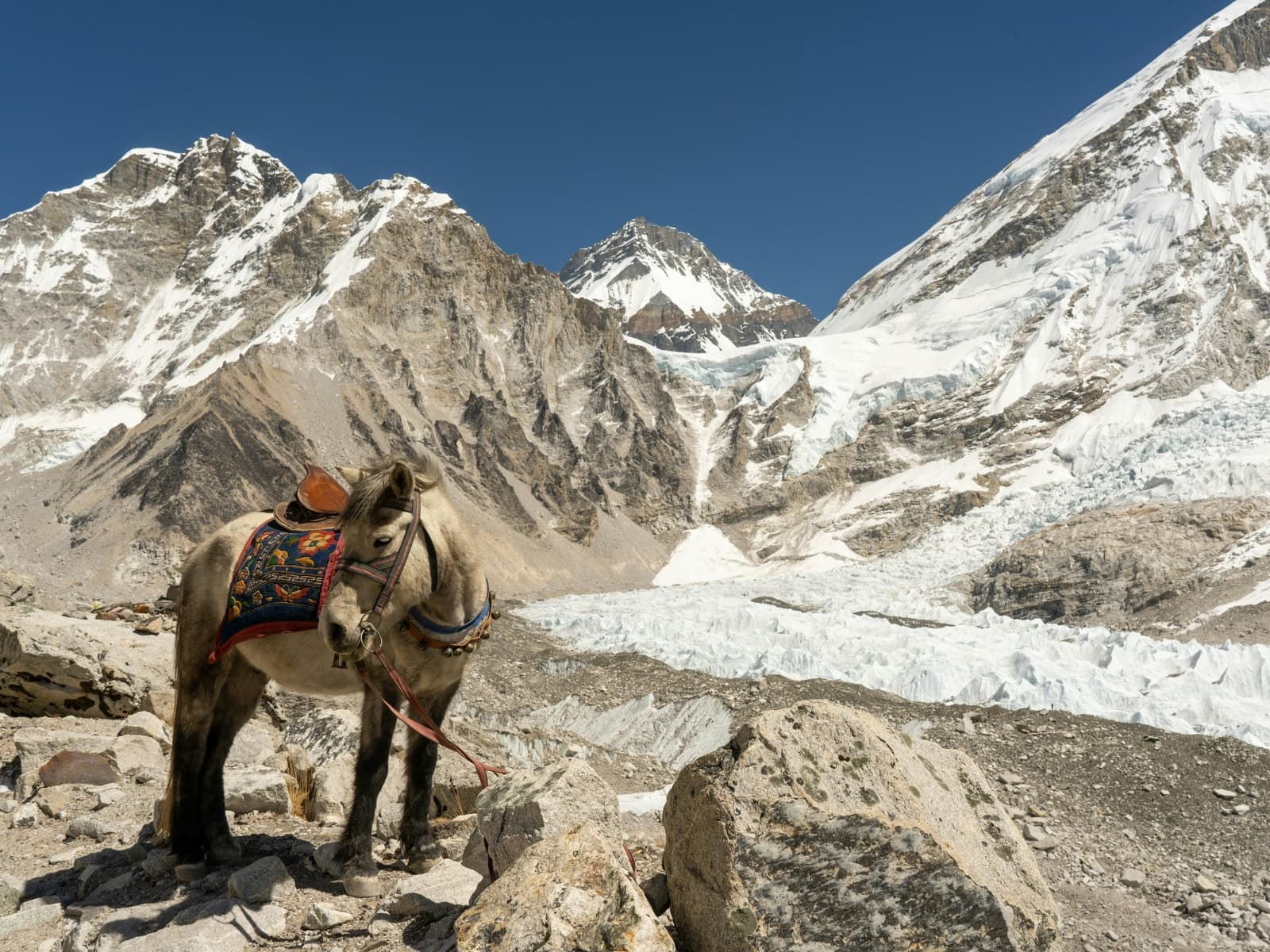
The Everest Base Camp trek is perhaps the most iconic high-altitude walk in the world. At 5,364 metres, EBC does not take you to a summit — it delivers you to the foot of the world's highest peak and rewards you with a view that no photograph can fully honour.
Route at a Glance
|
Start / Finish |
Lukla (2,860 m) |
|
Duration |
12–14 days (classic route) |
|
Max Altitude |
Kala Patthar: 5,545 m / EBC: 5,364 m |
|
Best Season |
March–May & September–November |
|
Difficulty |
Moderate–Strenuous |
|
Permit Required |
TIMS Card + Sagarmatha NP Permit |
Day-by-Day Highlights
Days 1–2: Kathmandu → Lukla → Phakding → Namche Bazaar
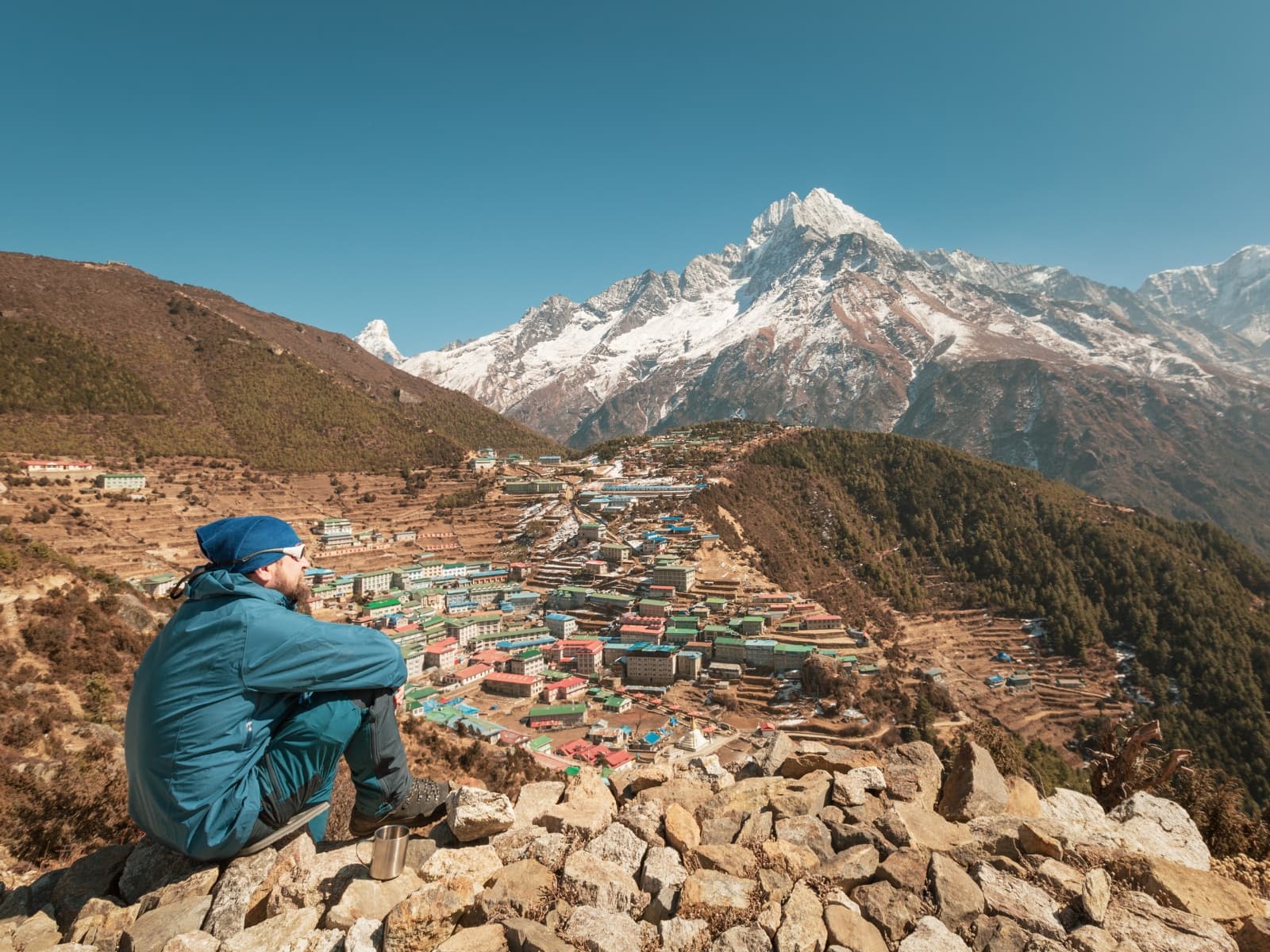
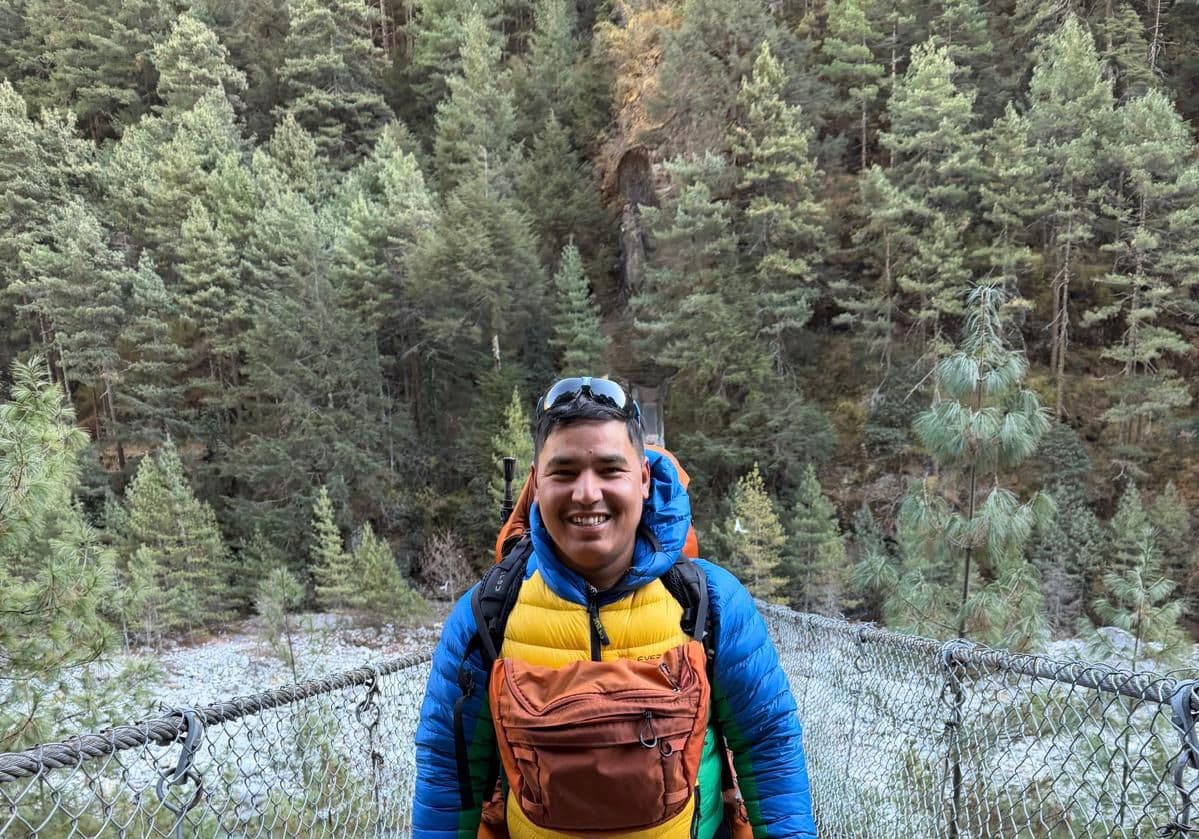
The adventure begins with one of the world's most thrilling flights — a 35-minute hop from Kathmandu to Lukla's cliff-edge Tenzing-Hillary Airport. From Lukla you descend into the Dudh Kosi valley, cross hanging suspension bridges strung with prayer flags, and begin the steep climb to Namche Bazaar (3,440 m), the bustling Sherpa capital and gateway to the Khumbu region.
Days 3–4: Acclimatization at Namche
Rushing altitude kills dreams (and sometimes trekkers). Spend two nights in Namche. Day-hike to Everest View Hotel at 3,880 m for your first jaw-dropping glimpse of Everest, Lhotse, and Ama Dablam. Explore the Saturday market. Buy any forgotten gear. Let your body quietly build red blood cells.
Days 5–7: Tengboche → Dingboche → Lobuche
The landscape transforms here. Trees thin out. The Tengboche Monastery sits framed by Ama Dablam's spire — stop for the monks' morning puja if your timing allows. Above Tengboche, the valley opens into high-altitude desert. Dingboche (4,410 m) and Lobuche (4,940 m) are classic acclimatisation stops. Cold sets in at night; bring a warm sleeping bag liner.
Days 8–9: Gorak Shep → EBC → Kala Patthar
Gorak Shep (5,140 m) is your final lodging before the end goal. The walk to Base Camp itself is rocky and thrilling — look for the coloured tents of expedition teams from April to May. Kala Patthar the following dawn is many trekkers' spiritual peak of the journey: at sunrise, Everest's dark pyramid glows rose-gold above a sea of clouds.
Days 10–12: Return to Lukla
Descent is fast and almost shockingly warm. Many trekkers skip Namche on the way back and take a different side trail through Khumjung village. Your knees will thank you for trekking poles on the long descents.
EBC Preparation Essentials
▸ Train for 3–4 months: combine long weekend hikes (10+ km with elevation gain) with cardio and leg-strength work
▸ Fly to Lukla at least 1 day after arriving in Kathmandu — do not trek the same day as your flight
▸ Book teahouses in advance during peak season (October, November, April, May)
▸ Carry a pulse oximeter to monitor blood oxygen — below 85% at rest is a warning sign
▸ Never ascend more than 500 m per day above 3,500 m. If symptoms worsen: descend immediately
▸ Hire a local guide or porter — it benefits the economy and keeps you safer
"Everest Base Camp is not the top. It is the place where the mountain humbles you before you have even begun."
Trek 2: Annapurna Circuit
If EBC is Nepal's most famous trek, the Annapurna Circuit is arguably its most spectacular. Circumnavigating the entire Annapurna massif, this route passes through subtropical rhododendron forests, traditional Gurung and Manangi villages, high-desert landscapes reminiscent of Tibet, and over the Thorong La Pass — the world's highest commonly trekked mountain pass at 5,416 metres.
Route at a Glance
|
Start |
Besisahar or Chame (by jeep) |
|
Finish |
Nayapul or Pokhara (via Jomsom by flight option) |
|
Duration |
12–21 days |
|
Max Altitude |
Thorong La Pass: 5,416 m |
|
Best Season |
March–May & October–November |
|
Difficulty |
Moderate–Strenuous |
|
Permit Required |
ACAP Permit + TIMS Card |
Why the Circuit Is Special
The circuit's genius is diversity. Within a single trek you experience the deep gorge of the Marsyangdi River, the medieval walled city of Manang, the spiritual gravity of Muktinath Temple (sacred to both Hindus and Buddhists), and the apple orchards and wind-battered streets of Kagbeni — a village that looks and feels utterly Tibetan. The landscape shifts almost daily, keeping eyes and legs equally engaged.
The Thorong La Crossing
Rising before 4:00 a.m. is non-negotiable. Afternoon winds on Thorong La are fierce and can make progress impossible. Start in darkness with a headlamp, move steadily upward for 4–6 hours, cross the pass, then descend 1,600 metres of switchbacks to Muktinath. It is an exhausting, exhilarating, deeply satisfying day that many trekkers describe as the highlight of their entire lives.
A Story from the Trail
On a late October crossing, our small group reached the prayer-flag-draped summit cairn at 9:15 a.m. A German couple had started at 3:00 a.m. and were just leaving as we arrived. A Nepali porter carrying a client's pack on his back and a baby goat under his arm — bought at Manang to sell in Muktinath — grinned at us as he descended. The goat, seemingly unbothered, surveyed the Himalayas from its unlikely vantage. At 5,416 metres, the absurd and the sublime coexist.
Trek 3: Langtang Valley Trek
Closest to Kathmandu and quieter than the Khumbu or Annapurna regions, Langtang is often called Nepal's forgotten valley. It is anything but forgettable. The valley sweeps beneath the icy wall of Langtang Lirung (7,227 m) and offers some of the most intimate mountain scenery in the country.
Route at a Glance
|
Start / Finish |
Syabrubesi (1,550 m) via bus from Kathmandu |
|
Duration |
7–10 days |
|
Max Altitude |
Tserko Ri: 4,984 m |
|
Best Season |
March–May & September–December |
|
Difficulty |
Moderate |
|
Permit Required |
Langtang NP Permit + TIMS Card |
Langtang's Resilience
The 2015 Gorkha earthquake and resulting avalanche obliterated Langtang village within seconds, killing more than 200 people. The community rebuilt — slowly and with outside support — and today the rebuilt village stands as a testament to the Tamang people's extraordinary resilience. Staying here and spending money in local teahouses is itself an act of solidarity.
Tserko Ri: Langtang's Hidden Viewpoint
The hike to Tserko Ri from Kyanjin Gompa is steep and relentless, but the panorama from the summit — Langtang Lirung, Dorje Lakpa, Yala Peak, and dozens of unnamed spires — is extraordinary. Start at first light and you'll likely have the ridge to yourself.
Trek 4: Mustang (Upper Mustang)
Upper Mustang is not merely a trek — it is a journey into another century. This restricted zone bordering Tibet preserves Tibetan Buddhist culture almost entirely intact: chhortens line the trails, lamas read scripture in cave monasteries, and the ancient walled city of Lo Manthang has been continuously inhabited for 600 years.
Route at a Glance
|
Start / Finish |
Jomsom (fly from Pokhara) |
|
Duration |
10–14 days |
|
Max Altitude |
Nyi La Pass: ~4,010 m |
|
Best Season |
May–October (open even during monsoon!) |
|
Difficulty |
Moderate (high altitude but gradual) |
|
Special Permit |
Restricted Area Permit: USD 500 for 10 days (2024) |
Why It Costs More — and Why It's Worth It
The restricted permit is steep by any standard, but it funds conservation and limits visitor numbers. You will rarely see another foreign trekker on the trail. The landscape — wind-sculpted red cliffs, ancient cave dwellings, and sky that seems higher here than anywhere — is unlike anything else in Nepal. Lo Manthang's narrow alleys and whitewashed walls are a living museum. Trekking here feels like a privilege, not merely a recreation.
Complete Preparation Guide
Physical Training (12 Weeks Minimum)
No single piece of gear or amount of money replaces fitness. The Himalayas are democratic: they humble the athletic and reward the persistent. A structured 12-week programme makes the difference between suffering and enjoyment.
- Weeks 1–4: Build aerobic base — 3 runs per week (30–45 mins), 1 long hike on weekends (8–12 km)
- Weeks 5–8: Introduce elevation gain — seek trails or stairwells; add pack weight (5–8 kg)
- Weeks 9–12: Back-to-back hiking days — 15 km Saturday, 12 km Sunday with full pack weight.
- Throughout: Squat, lunge, and step-up exercises 2–3× per week for descent-specific leg strength
Essential Gear Checklist
Clothing
Moisture-wicking base layers (merino wool preferred)
Insulating mid-layer: fleece or down jacket (down compresses smaller)
Hard-shell waterproof outer layer
Trekking trousers — convertible zip-offs are ideal
Warm hat, sun hat, and balaclava above 4,500 m
Liner gloves + insulated waterproof gloves
Wool or synthetic hiking socks × 4 pairs minimum
Footwear
▸ Waterproof, ankle-supporting trekking boots — WORN IN before departure (critical)
▸ Lightweight camp sandals or shoes for teahouse evenings
▸ Gaiters for snowy or muddy conditions (October–November and spring)
Equipment
▸ 35–50 L trekking pack with rain cover
▸ Trekking poles — adjustable, collapsible (saves knees significantly on descents)
▸ Sleeping bag rated to −10°C (teahouses provide blankets but rarely enough)
▸ Headlamp with fresh batteries + backup
▸ Reusable water bottles or hydration reservoir + water purification (tablets or SteriPen)
▸ Pulse oximeter — non-negotiable above 3,500 m
▸ Portable solar charger or power bank
Permits and Logistics
Every trek in Nepal requires at minimum a TIMS (Trekkers' Information Management System) card. National park entry and conservation area permits are additionally required depending on your route. Restricted zones (Mustang, Dolpo) require special government permits obtainable only through registered trekking agencies.
▸ TIMS Card: NPR 2,000 (independent trekker) or NPR 1,000 (group); available at Nepal Tourism Board offices in Kathmandu and Pokhara
▸ Sagarmatha NP Permit (EBC): NPR 3,000 per person
▸ ACAP Permit (Annapurna): NPR 3,000 per person
▸ Langtang NP Permit: NPR 3,000 per person
▸ Upper Mustang Restricted Area Permit: USD 500 for 10 days (must book via registered agency)
Health, Safety & Altitude
Acute Mountain Sickness (AMS) is the primary medical risk on Himalayan treks. It affects up to 50% of trekkers above 4,000 m regardless of age, fitness, or prior altitude experience. There is no reliable way to predict your susceptibility — only a slow ascent profile protects you.
The Golden Rules
▸ Climb high, sleep low: you may hike higher during the day, but always sleep at a lower altitude
▸ Never ascend more than 300–500 m of sleeping altitude per day above 3,000 m
▸ If you feel worsening headache, confusion, or loss of balance — descend immediately regardless of time of day
▸ Consult a doctor about Diamox (acetazolamide) before departure — it can assist acclimatisation but is not a substitute for it
▸ Carry ibuprofen for mild headaches and stay well hydrated (3–4 litres/day)
Stories from the Trail
The Kindness of Strangers at Thorong La
On a bitterly cold pre-dawn start toward Thorong La, a solo South Korean trekker named Ji-woo found herself separated from her guide in the darkness. A local tea-seller at the final chai stop before the pass noticed her distress, called ahead on a crackling satellite phone to the High Camp teahouse, and arranged for a porter — off-duty and heading home — to walk with her to the summit and safely down to Muktinath. Ji-woo offered to pay. The porter declined. 'In Nepal,' her guide later explained, 'the mountain belongs to everyone. We look after each other there.'
A Night Without Electricity in Dingboche
The generator cut out at 8:00 p.m. The teahouse went dark. Outside, stars so bright and dense they seemed three-dimensional filled the sky above Dingboche. Twenty trekkers from seven countries spread sleeping bags on the dining-room floor around a single yak-dung stove, shared chocolate and stories, and slept better than any of them had in years. No Wi-Fi. No news. Just mountains and warmth and the strange intimacy the trail creates between people who were strangers that morning.
What the Children Taught Me in Langtang
Rebuilding after the 2015 earthquake, the children of Langtang have a quality that is difficult to name — a combination of openness and solidity that comes, perhaps, from living in a landscape that does not pretend to be gentle. A group of primary school students in Kyanjin, hearing that we had walked from Syabrubesi, looked unimpressed. They made the same walk to visit relatives every school holiday. One boy, perhaps nine years old, studied my trekking poles for a long moment, then asked if he could try them. He used them perfectly on the first step — natural, confident, at ease with altitude in a way I will never fully be. He handed them back with a smile and ran ahead on bare feet.
Practical Information
Getting to Nepal
▸ Tribhuvan International Airport (KTM) in Kathmandu is the main entry point
▸ Visa on arrival available for most nationalities: USD 30 (15 days), USD 50 (30 days), USD 125 (90 days)
▸ Direct flights from: Delhi, Mumbai, Doha, Dubai, Kuala Lumpur, Bangkok, Singapore, London (seasonal)
Best Time to Trek
Nepal has two primary trekking windows, both defined by weather and clarity:
▸ Autumn (October–November): Best visibility, stable weather, crowds on popular routes — the classic season
▸ Spring (March–May): Rhododendrons in bloom, Everest expedition season, slightly warmer — equally excellent
▸ Winter (December–February): Cold and some high passes close, but lower routes (Annapurna Foothills, Pokhara day hikes) are quiet and beautiful
▸ Monsoon (June–September): Most routes are wet and leechy, but Mustang (rain-shadow) is ideal
Budget Guide (USD per day)
|
Budget Trekker |
USD 25–40 / day (teahouses, local food, no guide) |
|
Mid-Range Trekker |
USD 50–80 / day (guided, porter, comfortable lodges) |
|
Comfort Trekker |
USD 100–200 / day (guided, high-end lodges, agency organised) |
|
Flights (domestic) |
USD 100–180 (e.g., Kathmandu–Lukla round trip) |
|
Guide Fee |
USD 25–35 per day |
|
Porter Fee |
USD 18–25 per day (tip generously) |
Final Thoughts: Why Nepal?
There are higher peaks than Nepal's — but none that feel more alive. There are longer trails — but few that carry you through as many worlds. Nepal's trekking routes are not just paths through scenery; they are corridors through culture, through history, through the deepest layers of your own resilience and capacity for wonder.
The mountains of Nepal do not care about your job title, your social media following, or your to-do list. They ask only one question: can you keep moving? Answer yes — through the thin air, the cold nights, the aching legs, the moments of doubt — and they give you something in return that is very hard to name and impossible to give back.
"Not all those who wander are lost. In Nepal, the wandering is the point."
Go slowly. Drink water. Hire a local guide. Tip your porter. Stay another day when a valley asks you to. The mountains will be there. The question is only whether you will.